Best AI SEO Tools 2026: What Actually Helps You Rank

Sponsored
AI SEO tools promise to automate the tedious parts of ranking — research, briefs, optimisation — and the good ones genuinely do. The catch is that the same tools, used lazily, produce exactly the mass-generated content Google now demotes. This guide sorts the serious options by the job they do, from beginner-friendly all-in-ones to specialist research tools, and is honest about where the human still has to show up.
What "AI SEO tool" actually means in 2026
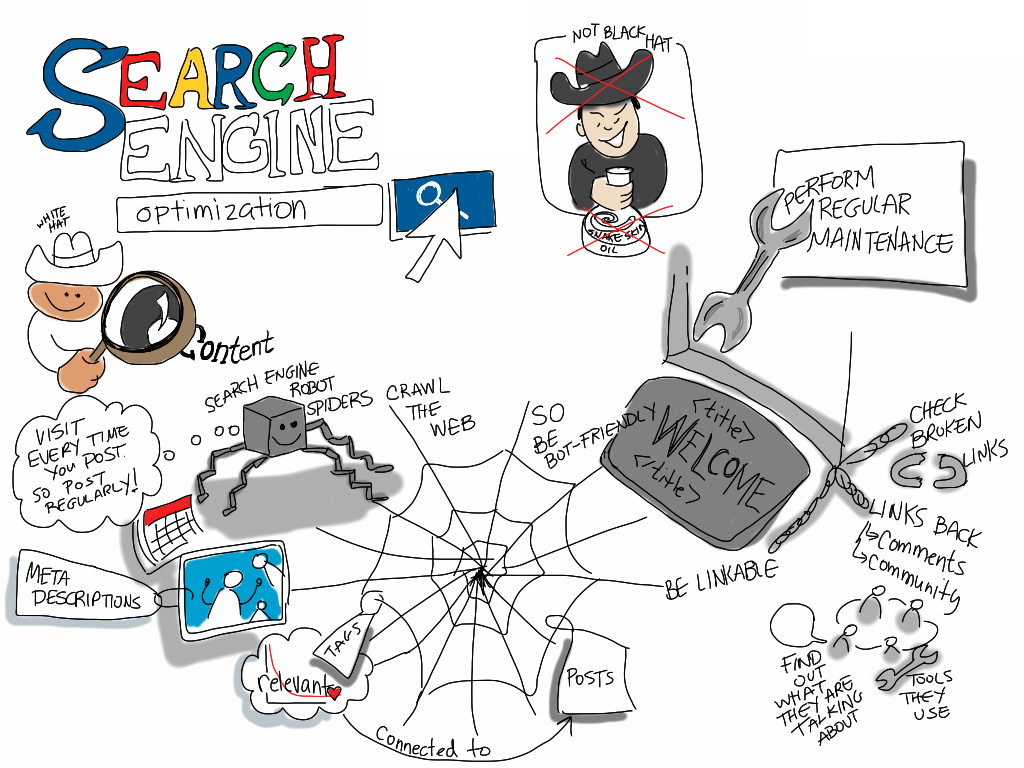
The category is broader than it looks, and lumping everything together is why most roundups are useless. There are really four different jobs hiding under one label:
.jpg)
- Keyword & topic research — finding what to write about and what questions to answer.
- Content optimisation — scoring a draft against what's already ranking and suggesting gaps to fill.
- Drafting assistance — generating outlines and first-draft copy (this is where the danger is).
- Technical & workflow — audits, internal-link suggestions, and reporting.
A tool that's excellent at optimisation can be mediocre at research. Decide which job is your actual bottleneck before you compare products, because that's what should drive the choice.
At a glance
Qualitative — the AI-SEO space changes features and pricing constantly, so verify current specifics on each vendor's site. We describe the shape, not a number that will be stale next month.
| Type of tool | Best for | Real strength | Watch out for | Pricing shape |
|---|---|---|---|---|
| All-in-one SEO suite (with AI) | Beginners, solo site owners | Research, optimisation, and reporting in one place | Jack-of-all-trades; deep users outgrow parts of it | Tiered subscription |
| Content optimisation tool | Bloggers editing drafts to rank | Concrete "cover these subtopics" guidance | Score-chasing can produce robotic, stuffed copy | Subscription, often per-article credits |
| AI keyword/research tool | Finding topics and clusters | Speed at mapping a niche | Still needs judgement on intent and difficulty | Subscription |
| General AI model (ChatGPT/Claude) | Briefs, outlines, angles | Flexible and cheap for ideation | No live SERP data; will invent stats | Free tier + subscription |
If you're a beginner: start with one all-in-one, not five point tools
The most common beginner mistake is stitching together a research tool, an optimiser, a rank tracker, and a chatbot before writing a single page. It's expensive and paralysing. If you're new, pick one reputable all-in-one suite that bundles keyword research, on-page optimisation, and basic reporting, and learn it properly. You'll outgrow parts of it eventually — that's fine and cheap to fix later. The goal in month one is a repeatable loop: find a question people ask, write the best answer on the internet, measure, repeat.
A simple first-30-days plan: week one, learn the research tool and build a list of 15–20 real questions in your niche; weeks two and three, write and publish the best answer to a handful of them, using an optimiser only as a checklist for completeness; week four, look at what got impressions in Search Console and double down. Notice that the AI is doing research and QA — not writing the page for you.
Where AI SEO tools genuinely earn their price
Sponsored
Used well, these tools remove real drudgery. Research tools compress hours of manual SERP-reading into minutes. Optimisation tools catch subtopics you'd have missed, which is a legitimate quality improvement, not a trick. AI models are excellent for turning a keyword into a structured brief, drafting outlines, and generating angles you can then report out and verify. The through-line: they're strongest at the work around writing — planning, structuring, checking — and weakest at the writing itself.
A worked example: one article, four tools, one afternoon
Abstract advice slides off. Here is how the four tool types actually hand off to each other on a single post — say a guide to cleaning a cast-iron pan, aimed at a small cookware blog. Watch which steps the software owns and which stay stubbornly human.
Start in a research tool. You type the seed phrase and it returns the cluster: the people-also-ask questions (rust, soap, re-seasoning), the related searches, and a rough sense of how contested the term is. In a few minutes you have a map that a dedicated keyword research tool builds far faster than an afternoon of manual searching would. What it will not do is tell you which of those angles you can answer better than the pages already ranking — that judgement is yours, and it is the whole game.
Move to a general AI model for the brief. You paste the cluster into a chat model and ask for an outline that covers the sub-questions in a logical order. It hands back a clean skeleton in seconds. Then comes the discipline that separates ranking pages from demoted ones: you close the chat and write the body from your own experience — the pan you actually ruined, the trick a relative taught you — because the model has never touched a skillet and will cheerfully invent specifics if you let it.
Run the draft through an optimisation tool. It scores your completeness against the top results and flags that you never mentioned a chainmail scrubber or flaxseed oil, both of which competing pages cover. Two of those are worth adding; one is off-topic for your angle. You add the two, drop the third, and refuse to pad the piece just to move a number upward.
Publish, then let Search Console referee. A fortnight later the page is picking up impressions for a question you barely addressed. That is your next section, or your next article — the loop closing on real data instead of a guess. Across the whole afternoon the tools researched, structured, and checked; the one thing they never did was supply the first-hand experience that made the page worth ranking. For more on holding that line, see our guide to writing SEO articles with AI without penalties and whether Google penalises AI content.
One more thing the afternoon teaches, and it is a buying decision as much as a writing one: you touched four tools but only two of them needed to cost anything. The research tool and the optimiser did paid work; the general model sat on a free tier and Search Console is free forever. Before you subscribe to a fifth product, ask which single step in this loop is actually your bottleneck — for most people it is discipline about the writing itself, which no purchase fixes.
The trap that gets whole sites demoted
Every tool here can be pointed at a keyword to spit out a finished article. Do that at scale and you produce precisely what Google's scaled-content policy targets: many pages generated "without adding value for users." The optimisation tools make it worse in a subtle way — chasing a content score pushes you toward keyword-stuffed, samey copy that reads like it was written for a robot, because it was. Treat the score as a floor for completeness, never a target. The pages that rank in 2026 add something no tool can generate: first-hand experience, original data, a screenshot, a verified fact, a real opinion.
Verdict: Identify your bottleneck first. Beginners: buy one all-in-one suite and learn it before adding anything else. If your bottleneck is knowing what to write, invest in a research tool; if it's making good drafts complete, an optimiser earns its keep — as a checklist, not a scorecard. Use general AI models for briefs and outlines, never for unverified final copy. And treat every AI SEO tool as a way to plan and check faster, so you can spend the saved time on the one thing that actually ranks: adding value only a human can.